Budget Lodge Safari to Botswana and Zimbabwe
Summary of this Budget Safari Package
This action packed Budget Accommodated Safari begins in Victoria Falls and takes a circular route to arrive back at the falls, highlighting the beauty of Zimbabwe and the diversity of Botswana along the way.
Travel in comfort as you go wildlife viewing in Hwange National Park, Zimbabwe and Moremi Game Reserve and Chobe National Park, Botswana. We visit a bird sanctuary in Nata and explore the Makgadikgadi Pans known for abundant wildlife and Baines Baobab trees. We take a trip in a traditional mokoro through the waterways of Moremi and a boat cruise on the Chobe River, viewing acquatic wildlife and land based animals from a different perspective. Arriving back in Victoria Falls it’s time to try the thrilling adventure activities on offer there.
This Budget Botswana and Zimbabwe Accommodated Safari is an opportunity to experience an authentic African safari at a great price.
Itinerary for this Tour
Highlights
- 2 nights in Hwange National Park – Zimbabwe
- Visit to Nata Bird Sanctuary
- 2 nights Makgadikgadi Pans
- Optional Scenic flight over the Delta (extra charges apply)
- 2 nights Khwai Concession/Moremi Game Reserve – mokoro excursion
- Boat cruise on Chobe River
- 2 days visiting Chobe National Park
- Optional visit to the Victoria Falls, Zimbabwe (extra charges apply)
Day 1 : Victoria Falls, Zimbabwe to Hwange National Park, Zimbabwe
We leave Victoria Falls around 14h00, after a tour briefing from our experienced guide, and head south to the northern area of Hwange National Park.
Arriving at our camp the afternoon is spent at your leisure, familiarising yourself with the camp and relaxing at the pool.
- Dinner
Day 2 : Northern Hwange National Park
The day starts early on safari, with a morning game drive, after some bracing coffee or tea. Early morning is a great time to for wildlife viewing as the animals gather at the waterholes to drink.
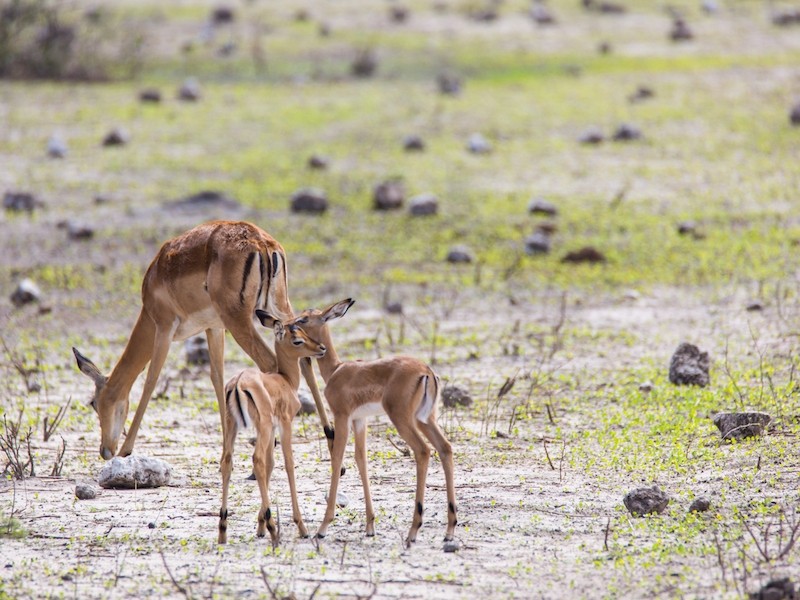
Lying close to the Kalahari Desert, Hwange is inhabited by over a 100 mammals and 400 bird species. All of Zimbabwe’s protected wildlife is located in the park. There are elephants in large numbers, which is unusual as this type of area doesn’t usually support such large numbers, but they do extremely well here. Hwange is Zimbabwe’s largest wildlife reserve.
In previous times the area was a royal hunting grounds for the Ndebele king, With the arrival of white hunters and settlers thousands of animals were slaughtered and the area became a wasteland. The area was set aside as a national park in 1929.
August through to October are the best times for wildlife viewing as the park is extremely dry and the animals gather at the waterholes. With the arrival of the rainy season in November the park is transformed into lush, green fields with abundant grazing. This is a magical time as the animals feast on the bounty of available food. Newly born animals abound and the bird life is prolific.
As well as a wildlife viewing drive, we take a walk in the bush with our experienced, knowledgable guide. He points out the, easily overlooked, clues left behind by the animals and is able to explain the meaning behind these signs.
- Breakfast, Lunch & Dinner
Day 3 : Nata, Botswana
After breakast we leave Zimbabwe behind and cross into Botswana. We arrive at Nata, a small town bordering the Makgadikgadi Pans, in time for lunch (own expense) at our lodge and then get settled before heading out to the Nata Bird Sanctuary.
The Nata Bird Sanctuary is a community based project which opened its doors in 1993. The local Nata, Sepako, Maposa and Manxotae communities were persuaded to move their cattle to other grazing areas in order to establish the 230 square metre, securely fenced sanctuary, 45% of which lies in the Sua Pan. It is of international importance due to the hundreds of thousands of lesser flamingo and greater flamingos, that visit the sanctuary every year during the winter period to breed. The flamingos and pelicans can be seen nesting on the pan.
- Breakfast & Dinner
Day 4 : Nata to Makgadikgadi Pans, Botswana
The day starts early with breakfast and then we move on to our next lodge at Khumaga on the banks of the Boteti River, an oasis in this arid area of dry salt pans.
After lunch we visit Khumaga where we meet the local villagers and hear their stories of life in this harsh environment.
Back at our campsite we can relax around the pool before dinner and preparing for our early start tomorrow.
Day 5 : Makgadikgadi Pans, Botswana
We have a full day today visiting Nxai Pan National Park in search of the wildlife, which includes wildebeest, giraffe, elephant, wild dog, kudu, springbok and much more.
The pan is a fossil lake bed of about 40 sq kilometres. In the rainy summer season it is transformed into grasslands and, unusually, is an excellent time for wildlife and bird viewing.
The park is home to ancient Baobab trees, discovered and named by Thomas Baines in the 19th century and captured in a painting by him.
We have a packed lunch in the park so that we are able to spend as much time as possible here, as there is so much to explore, but inevitably we have to leave and return to camp for dinner.
- Breakfast, Lunch & Dinner
Day 6 : Maun, Botswana
Today we travel to the small town of Maun, considered the tourism hub of Botswana, due to its proximity to the Okavango Delta. There is an opportunity here to take a 45 minute scenic flight over the delta, at your own expense, but it is well worth the expense. To see the waterways from the air gives a different perspective of this magical area and it may be possible to spot some wildlife from the air too.
Today there is some leisure time and an opportunity to do some shopping in Maun. The town has developed from a settlement founded in 1915 with a ‘wild west’ reputation to an important hub for the tourism industry.
We spend the night at a comfortable lodge in Maun and prepare for our next adventure.
- Breakfast & Dinner
Day 7 – 8 : Khwai River Area, Botswana
From Maun we travel through the Khwai RIver area as we head to Moremi Game Reserve. Named for Chief Moremi of the BaTawana tribe, Moremi is a combination of dry and permanent water areas, as it covers part of the eastern side of the Okavango Delta. This creates some interesting contrasts in wildlife viewing as there is a mix of savannah game and lagoons where prolific birdlife may be seen. Moremi is home to elephants, especially numerous during the dry season, as well as buffalo, giraffe, lion, leopard, cheetah, hyaena and jackal. A wide variety of antelope species, including the rare red lechwe, are also found in Moremi, along with healthy populations of endangered African wild dog.
For two days we will immerse ourselves in the beauty of this area as we take early morning and late afternoon game drives. Sunrise brings the animals out to drink and sunset is the time to spot nocturnal beasts. Morning game drives are followed by lunch at our camp and a time to take a nap or relax.
We will meander through the waterways in a mokoro, a traditional dugout canoe, poled by our experienced ‘gondoliers’, as we view the acquatic wildlife in this silent wonderland.
Our nights are spent in a comfortable guesthouse.
- Breakfast, Lunch & Dinner
Day 9 – 10 : Chobe National Park, Botswana
Today we head north to our comfortable lodge at Kavimba, on the fringes of Chobe National Park. En route to our lodge we explore the Savuti area of Chobe and the northern flood plains. Savuti was once an inland lake and is now fed by the erratic Savuti Channel, often dry for long periods. Generally this is the best area to find the park’s predators. We have a picnic lunch here in the African bush, in the midst of the wildlife.
Known as one of the best wildlife areas in the world, particularly for its diversity, Chobe is home to a huge variety of wildlife and birdlife. Elephant thrive here and with an estimated population of 50 000 which is possibly the highest concentration of elephant in Africa.
We spend our second day here exploring this area on game drives in open safari vehicles, keeping our eyes open for the next sighting.
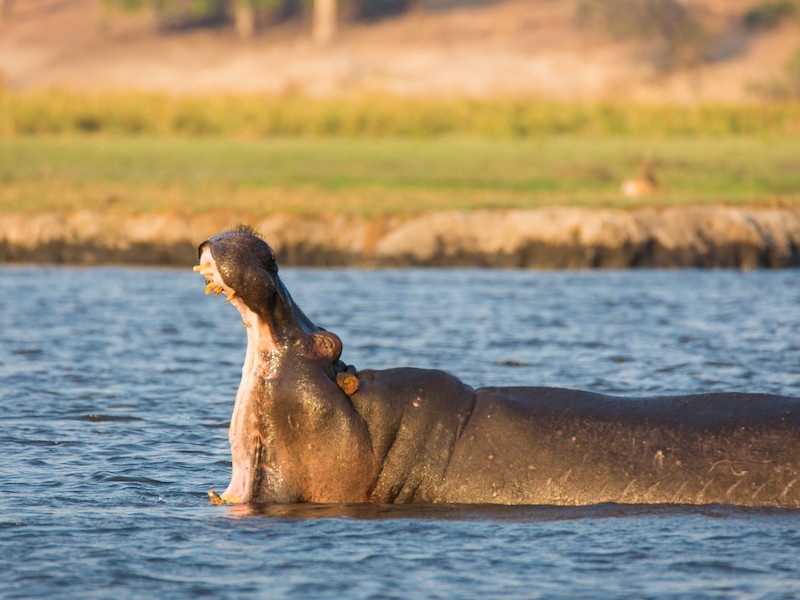
The Chobe River runs through the park and we take a boat cruise to view the wildlife that congregates at the riverside, as well as the wallowing hippos in the river itself. This gives a different perspective of the wildlife and provides great photo opportunities.
- Breakfast, Lunch & Dinner
Day 11 : Victoria Falls, Zimbabwe
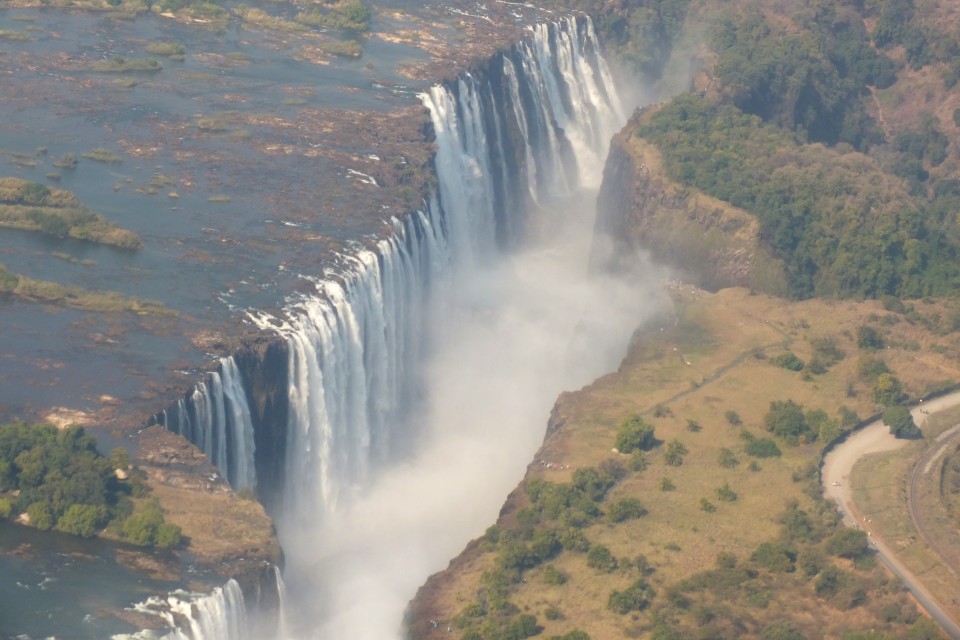
Today we leave the animal kingdom behind and travel to Victoria Falls, the adventure capital of Africa. It’s time for some thrilling activities in the midst of the thunderous roar of the falls. Your guide will be happy to assist you in arranging these.
There’s also time for some shopping for those last minute mementos and dinner (own expense) at one of the restaurants in the village.
- Breakfast
Day 12 : VIctoria Falls, Zimbabwe
Our memorable tour ends this morning after breakfast. But you may extend the dream and linger in Victoria Falls to experience more of the activities there.
- Breakfast
Victoria Falls Activities:
- Zambezi River white water rafting
- Helicopter/micro light flips over Vic Falls
- River cruises on the upper Zambezi
- Canoeing on the upper Zambezi
- Bungee jumping
- Jet boating
- Cultural village tour
- Horse trails
Image Gallery
Click the image to enlarge